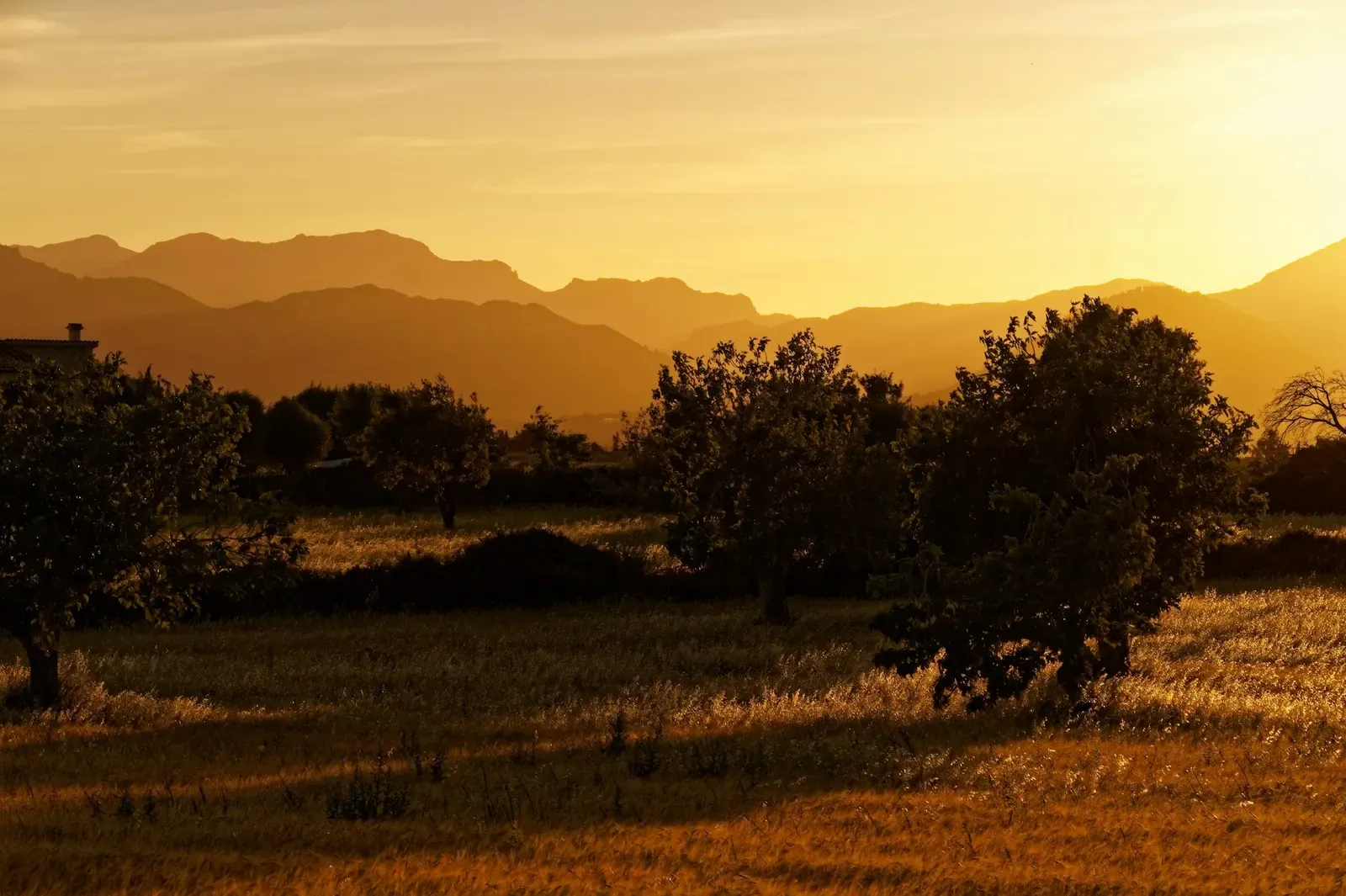
Choosing your wedding date is one of the first decisions you’ll make, and in Mallorca it shapes almost everything that follows: the weather, the light, the price of your venue, how easily your guests can fly in and even what time your ceremony should start. So when is the best time of year to get married in Mallorca?
The short version is that the island has a long, generous wedding season, but each month has a different character. June gives you the longest evenings and the driest weather. September brings the warmest sea. October is softer, quieter and better value. July and August are glorious if you love the heat and plan around it. This guide goes through the year month by month, with official climate data, sunset times and what each season means for your budget and your guests. If you’re just starting out, our complete guide to getting married in Mallorca gives you the whole picture first.
We’re The Vow Producers, a wedding planner in Mallorca, and choosing the date is where most of the weddings we plan begin.
The short answer
For most couples, the best time to get married in Mallorca is late May to the end of June or mid-September to mid-October. Those weeks combine warm, settled weather, long evenings and comfortable temperatures for guests in suits and long dresses.
- Best weather and longest days: June. It’s dry, warm without being extreme, and the sun sets after 9 p.m.
- Warmest sea and a late-summer feel: September, with a slightly higher chance of a storm.
- Best balance of weather and value: May and October.
- Hottest and busiest: July and August. Perfect for evening weddings and pool parties, less so for a ceremony in the midday sun.
- Quietest and most affordable: November to March, for intimate weddings, with cooler days, more rain and many hotels closed.
Mallorca’s weather, month by month
These figures come from AEMET, Spain’s state meteorological agency, for its weather station at Palma airport (standard values for 1981 to 2010). Sunset times are calculated for Palma on the 15th of each month, in local time. If you’re still comparing Mallorca with the rest of the country, our guide to where to get married in Spain puts the same AEMET figures side by side for nine regions.
| Month | Average high | Average low | Days with rain | Hours of sunshine | Sunset |
|---|---|---|---|---|---|
| January | 15.2 °C | 3.8 °C | 5.7 | 163 | 17:49 |
| February | 15.4 °C | 4.0 °C | 5.1 | 166 | 18:25 |
| March | 17.5 °C | 5.2 °C | 4.5 | 202 | 18:55 |
| April | 19.8 °C | 7.4 °C | 4.8 | 234 | 20:26 |
| May | 23.7 °C | 11.3 °C | 3.8 | 283 | 20:56 |
| June | 28.1 °C | 15.4 °C | 1.8 | 316 | 21:18 |
| July | 31.2 °C | 18.3 °C | 0.5 | 342 | 21:15 |
| August | 31.3 °C | 18.9 °C | 1.7 | 315 | 20:45 |
| September | 27.9 °C | 16.5 °C | 4.3 | 222 | 19:58 |
| October | 23.9 °C | 13.1 °C | 6.1 | 203 | 19:10 |
| November | 19.0 °C | 8.3 °C | 6.1 | 162 | 17:34 |
| December | 16.1 °C | 5.4 °C | 6.4 | 152 | 17:25 |
“Days with rain” means days with at least 1 mm of rain. Two things to keep in mind when you read the table. First, the airport sits on the plain behind Palma, so its nights are cooler than on the coast: at AEMET’s station in Palma’s port, the average July low is 21.9 °C rather than 18.3 °C. Second, the mountains of the Serra de Tramuntana are cooler, greener and a little wetter than the rest of the island, and a finca in a valley can lose the sun earlier than the sunset time suggests.
The wedding season, month by month
April: spring green and lower prices
April is the start of the season. The countryside is at its greenest, wild flowers line the roads and daytime temperatures are pleasant, with an average high of around 20 °C. Evenings are cool, though, with lows around 7 °C at the airport, so an outdoor dinner needs heaters, blankets or an indoor plan. Easter often falls in April, which fills flights and hotels for a week or two. For a relaxed, smaller wedding where you don’t mind a shawl after dark, April can be lovely and good value.
May: the sweet spot before summer
May is one of the most beautiful months on the island. Days are warm, at around 24 °C on average, the sea is starting to warm up, there are almost 15 hours of daylight by the end of the month and rain is uncommon. Venues are open and fully staffed, but demand is lower than in June, so you’ll often find more Saturdays available and, at some venues, lower prices. Nights can still be fresh, so plan a few heaters or a covered area for the late part of the evening.
June: long evenings and settled weather
June is the classic Mallorca wedding month, and for good reason. It’s one of the driest months of the year, with fewer than two days of rain on average, and the sun sets after 9 p.m. around the summer solstice, so you can hold a ceremony in warm, golden light and still have daylight for drinks. Temperatures climb through the month, from comfortable at the start to properly hot by the end. June Saturdays at the most popular venues are among the first dates to be booked, often more than a year ahead.
July and August: high summer
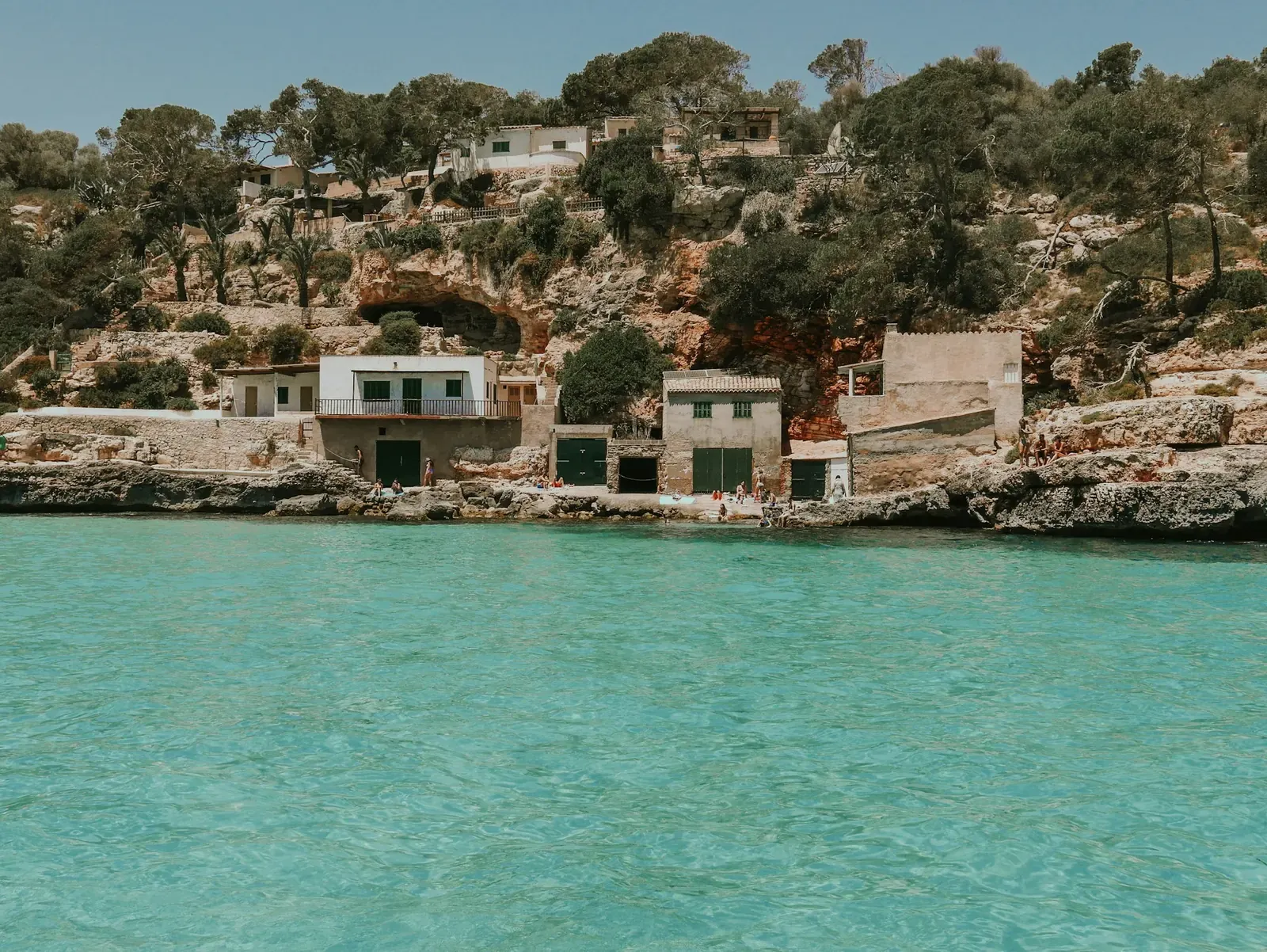
These are the hottest months, with average highs above 31 °C and warm nights, especially near the coast. It almost never rains in July. The island is at its busiest: flights and hotels are at their most expensive, beaches are crowded, and the UK school holidays run from late July to the end of August. That doesn’t rule out a summer wedding, but it changes how you plan it. Hold the ceremony in the early evening, keep the dinner outdoors after sunset and look for a venue with real shade. For a beach club celebration, a pool party or a wedding where everyone wants to swim, high summer is hard to beat.
September: the warmest sea
September keeps the summer feeling while the worst of the heat eases, with an average high of around 28 °C. The sea is at its warmest after a long summer, which makes it a favourite month for a farewell beach day. It’s also the month when the weather starts to turn: September has the most storm days of the year at Palma airport, an average of almost four, and late-summer downpours can be heavy, if usually short. A good plan B matters more from now on. Like June, September Saturdays are in high demand.
October: softer light and better value
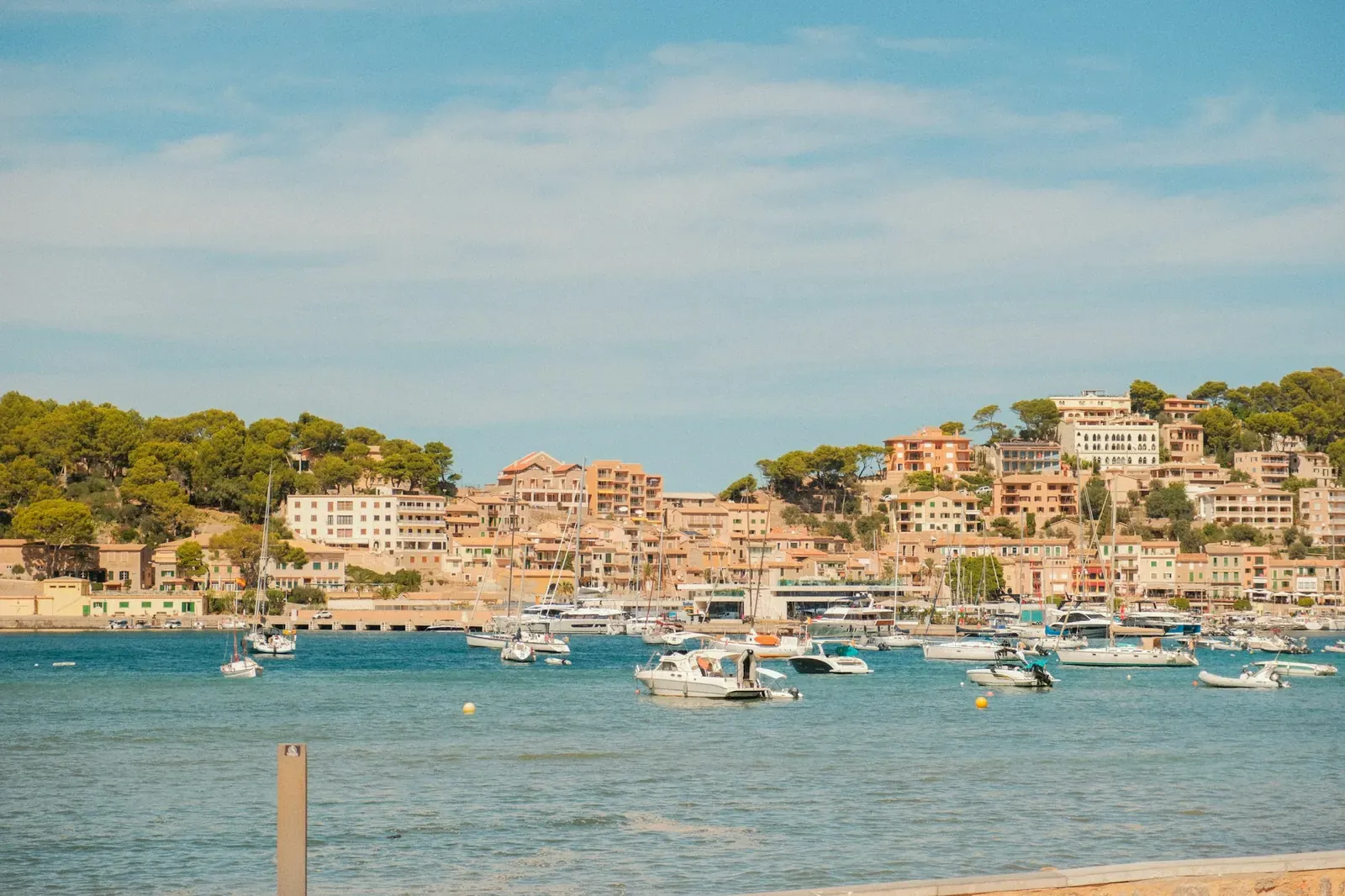
October is increasingly popular with couples who want warm days without the summer crowds. The average high is still around 24 °C, the sea is warm enough to swim in, and the light is low and golden. It is also the wettest month of the year at the airport, with around six days of rain, and the sun sets earlier, at about 7 p.m. by mid-month, so ceremonies move earlier in the afternoon. Many venues offer better prices than in high season, and flights and hotels are easier to find. Early October is generally safer than late October.
November to March: winter weddings
Mallorca in winter is quiet, green and very different from the summer island. Days can be bright and mild, around 15 to 17 °C, but evenings are cold, rain is more frequent and the sun sets before 6 p.m. in December. Many hotels close for the winter: according to the Mallorca Hotel Business Federation (FEHM), only around a quarter of its members’ hotels planned to be open in January 2026, rising to about 70 per cent in March and more than 90 per cent in April. There are also fewer direct flights from many cities.
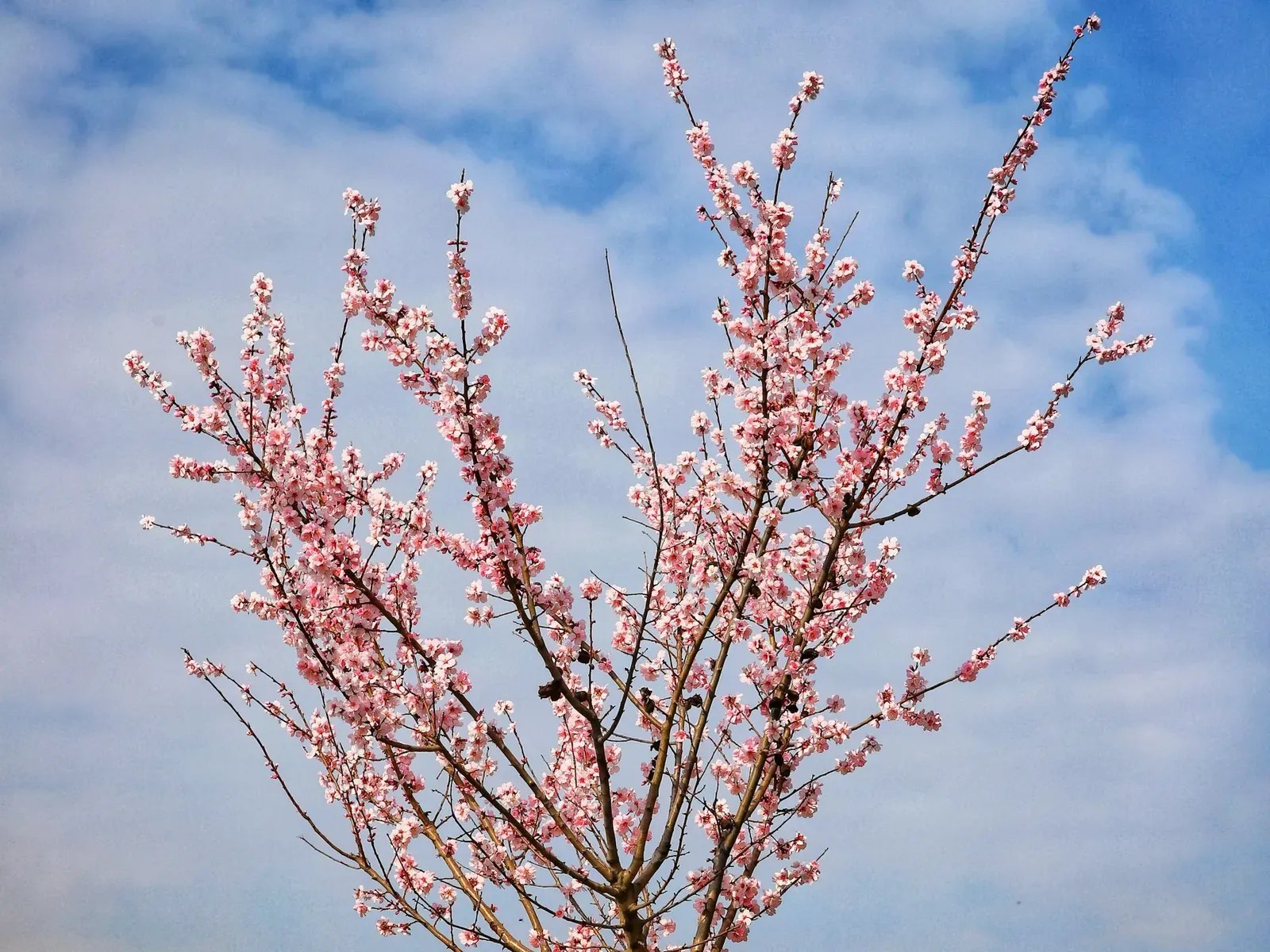
For the right couple, though, a winter wedding has real charm: an intimate dinner in a historic house in Palma, a mountain finca with fires lit, or a ceremony among the almond blossom, which covers much of the island from late January through much of February. Venues that do open have more availability and are often more flexible on price.
Planning around the heat
From mid-June to mid-September, the heat is the single biggest factor in how your day feels. A few decisions make all the difference:
- Time the ceremony to the sun. In high summer, a ceremony around 90 minutes to two hours before sunset (between about 7.15 and 7.45 p.m. in June and July) avoids the strongest sun and leads straight into golden-hour photos and drinks.
- Check where the shade falls at that time. Visit the ceremony spot at the hour you plan to marry, or ask your planner for photos of it then. A beautiful view facing west means guests looking straight into the sun.
- Look after your guests. Cold water and lemonade on arrival, fans or parasols, and a short ceremony go a long way. Tell guests about the heat in your invitation so they can dress for it.
- Adapt the menu. Lighter dishes, more cold starters and a later dinner suit the climate and the rhythm of Mallorcan summer evenings.
- Think about the couple, too. Heavy fabrics, long sleeves and a midday photo session in July are a hard combination. Plan portraits for the late afternoon.
Rain, storms and a plan B
Rain in Mallorca is concentrated in autumn and winter. In June, July and August, the chance of rain on any given day is low: AEMET’s figures give an average of less than one day with rain in July. From September onwards, the chance rises, and the island can see short, intense storms, especially in late summer and autumn.
Whatever your month, any outdoor wedding needs a plan B. In practice, that means:
- A venue with an indoor or covered space large enough for your ceremony and dinner, or the option to put up a marquee.
- A decision time. Agree in advance when the weather call will be made on the day (usually around midday) and who makes it.
- Suppliers who know the plan. Florists, caterers and lighting teams need to know the plan B layout in advance, so a change of plan takes an hour, not an afternoon.
Sunset and the golden hour
The light is a big part of why couples choose Mallorca. As a guide, these are the approximate sunset times in Palma, on the 15th of each month, through the wedding season:
- April: 20:26
- May: 20:56
- June: 21:18 (21:20 on the summer solstice)
- July: 21:15
- August: 20:45
- September: 19:58
- October: 19:10
The golden hour, when the light is warm and soft, falls in the hour or so before sunset. Most photographers will suggest planning the couple’s portraits for then, which in June means a slot around 8.30 p.m., during the cocktail hour. Spain moves its clocks back on the last Sunday of October, so a wedding in early November will have a sunset before 6 p.m.
Prices and availability through the year
Mallorca’s wedding market follows its tourist calendar. As a rule of thumb:
- High season (June, September and, for some venues, July and August): the highest venue fees and minimum spends, and the earliest bookings. The best-known venues are often reserved 12 to 18 months ahead for Saturdays.
- Shoulder season (April, May and October): more availability and, at many venues, lower prices or minimum spends.
- Low season (November to March): the lowest prices, but fewer venues and hotels open, and fewer flights.
The day of the week matters as much as the month. Fridays and Sundays are usually cheaper and easier to book than Saturdays, and in a destination wedding, where most guests are on holiday anyway, they work just as well. For a breakdown of what each part of a wedding costs, see our guide to Mallorca wedding costs.
Your guests’ travel
Most of your guests will fly in, so their travel deserves as much thought as your venue:
- Flights: Palma airport has many more direct routes in summer than in winter. A date between April and October makes travel easier for guests from the UK, Ireland and the rest of Europe; guests from the US usually connect through a European hub.
- School holidays: guests with children may only be able to travel during school holidays, while others will want to avoid them because of prices. Late July and August are the most expensive weeks to fly from the UK.
- Accommodation: in high season, hotels near popular venues fill up early. Agree a group rate or share recommendations as soon as you’ve set the date.
- Notice: for a summer wedding, send save-the-dates around a year ahead, so guests can book holidays and flights at sensible prices.
A wedding weekend through the seasons
If you’re planning more than one event, the season also shapes the welcome and farewell. In May and June, a welcome drink on a terrace at sunset works beautifully, and a farewell lunch in the countryside is still comfortable. In July and August, guests will want water: a pool party, a boat trip or a long lunch at a beach club is the natural way to end the weekend. September is the best month of all for a beach day, with the sea at its warmest. In October, the evenings cool down, so a welcome dinner indoors or under cover is safer, and a relaxed brunch in a village square makes a lovely goodbye. In winter, think of a cosy dinner in Palma, a wine tasting at one of the island’s bodegas or a walk among the almond blossom.
Whatever the month, keep the events close to where guests are staying, and leave time between them. Guests who have flown in for a wedding remember the moments when nobody had to rush.
Fiestas and holidays to check
Every town in Mallorca celebrates its patron saint’s days, many of them in summer, often with fireworks, street parties and road closures. A fiesta in the village next to your venue can be part of the fun, or a reason for traffic and full hotels. Before you confirm a date, check the local calendar for the town where you’re marrying and where your guests are staying, as well as Spanish and Balearic public holidays and Easter.
Which season suits which kind of wedding
The best month also depends on the kind of wedding you have in mind and where on the island you’ll be.
A beach club or sea-view wedding
The sea is the star, so warmth matters. June to September is the natural window, with September the favourite for guests who want to swim. In July and August, beach clubs are at their busiest, so ask whether you’ll have exclusive use and what time the music must stop.
A finca in the countryside
Inland fincas are hotter by day and cooler at night than the coast. May, June, September and early October are ideal: warm enough for an outdoor dinner, cool enough after sunset that guests are comfortable dancing. In high summer, look for a finca with mature trees and a terrace that falls into shade by the late afternoon.
A wedding in Palma
A city wedding works almost all year. Historic houses, palaces and rooftop terraces in the old town suit spring and autumn particularly well, and Palma is the best base for a winter wedding, because hotels, restaurants and flights there stay busier out of season than the rest of the island.
A wedding in the mountains
The Serra de Tramuntana, from Valldemossa and Deià to Sóller and Fornalutx, is a little cooler than the rest of the island, which makes it a good choice for a July wedding. Roads are narrow and winding, though, so plan guest transport carefully, and remember that a valley can lose the evening sun earlier than the coast.
A quick checklist for choosing your date
Before you fall in love with a particular weekend, run through these questions:
- How do you want the day to feel? Long, light summer evenings point to June; a softer, golden atmosphere to late September or October.
- How much heat can your guests take? Older relatives and young children are more comfortable outside July and August.
- Where are your guests coming from? Check direct flights from the main cities on your guest list for the month you’re considering.
- Does your budget have room for peak season? If not, a Friday, a Sunday or a shoulder month can free up money for what matters more to you.
- Is your venue open and available? Some venues only host weddings on certain days or months, and some close in winter.
- Does anything else clash? School holidays, Easter, a local fiesta or a big family event at home can all change who can come.
How far ahead should you book?
For a Saturday between May and October, start looking for your venue 12 to 18 months before the wedding (our guide to the best wedding venues in Mallorca is a good place to begin), and book your key suppliers (planner, photographer, caterer) soon after. For a Friday, a Sunday or a date in the shoulder or low season, 9 to 12 months is often enough. If you’re planning a legal ceremony, check the timings in our guide to getting legally married in Mallorca, because some of the paperwork has to start months in advance.
Frequently asked questions
What is the best month to get married in Mallorca?
For most couples, June or September. June has the driest weather and the longest evenings; September has the warmest sea and a late-summer feel. May and early October are excellent alternatives with more availability and better value.
Is it too hot to get married in Mallorca in July or August?
It’s hot, with average highs above 31 °C, but many couples marry in high summer very happily. Hold the ceremony in the early evening, choose a venue with shade and plan the dinner outdoors after sunset.
Does it rain in Mallorca in September and October?
More than in summer. At Palma airport, September has around four days of rain on average and October around six, often as short, heavy showers. Plan a covered or indoor alternative from September onwards.
Can you get married in Mallorca in winter?
Yes. Winter weddings tend to be small and intimate, in Palma or at a mountain finca, with mild days and cool evenings. Many hotels close between November and March, so check what’s open near your venue for your guests.
What time is sunset in Mallorca in June?
Around 9.15 p.m. in mid-June, and about 9.20 p.m. on the summer solstice. Golden-hour photos fall around 8.30 p.m.
When is wedding season in Mallorca?
From May to October, with June and September as the peak months. April and early November are possible for couples who are happy with cooler evenings.
Is it cheaper to get married in Mallorca in October?
Often, yes. Many venues lower their prices or minimum spends outside the peak months, and flights and hotels are cheaper than in summer. Fridays and Sundays save money in any month.
How we can help
The right date depends on what matters most to you: the light, the heat, your guests’ travel or your budget. On the first call, we’ll talk through the dates that work for you and your guests, check availability at the venues you love and plan the timings of the day around the season, from the ceremony time to the plan B.
See our packages and prices, read the questions couples ask us, or tell us about your wedding.
Planning a wedding in Mallorca? Ask us for a quote: it’s free and there’s no commitment, and we’ll reply with availability and first ideas.
A note on this guide: climate figures are long-term averages and say nothing about the weather on a particular day. Sunset times are calculated for Palma and vary slightly across the island. Prices and availability reflect the market as we found it in November 2026.
Sources
- Standard climate values: Palma de Mallorca airport, AEMET (Spanish State Meteorological Agency)
- Standard climate values: Palma port (Spanish), AEMET
- 70.6% of hotels will be open in March (Spanish), Última Hora, with figures from the Mallorca Hotel Business Federation (FEHM)
- Almond blossom route in Mallorca: where and when to see it, Majorca Daily Bulletin
Photography: Alex Kulikov, Shery Arturova, Alexis Presa, Wolfgang Hasselmann and Bernd Dittrich, via Unsplash.